 Protection Desk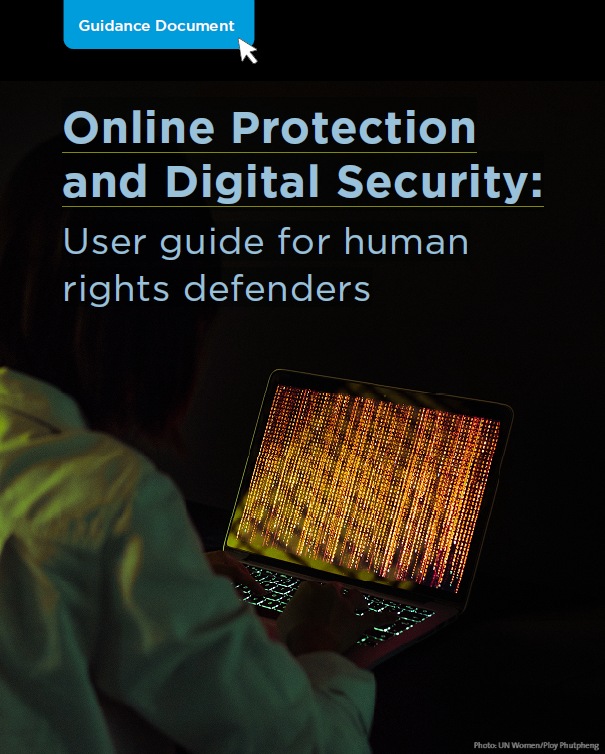
Digital technologies can present avenues to advocate for, defend and exercise human rights. They increasingly shape how people access and share information and can be a forum for discussion and debate. These opportunities can become particularly important when rights and fundamental freedoms in physical or “offline” spaces are threatened. At the same time, digital technologies can equally be used to suppress, limit and violate human rights, such as through surveillance and censorship. Both state actors and private citizens can deploy them to perpetrate abuse and harassment, often reinforcing existing systemic discrimination and marginalization.